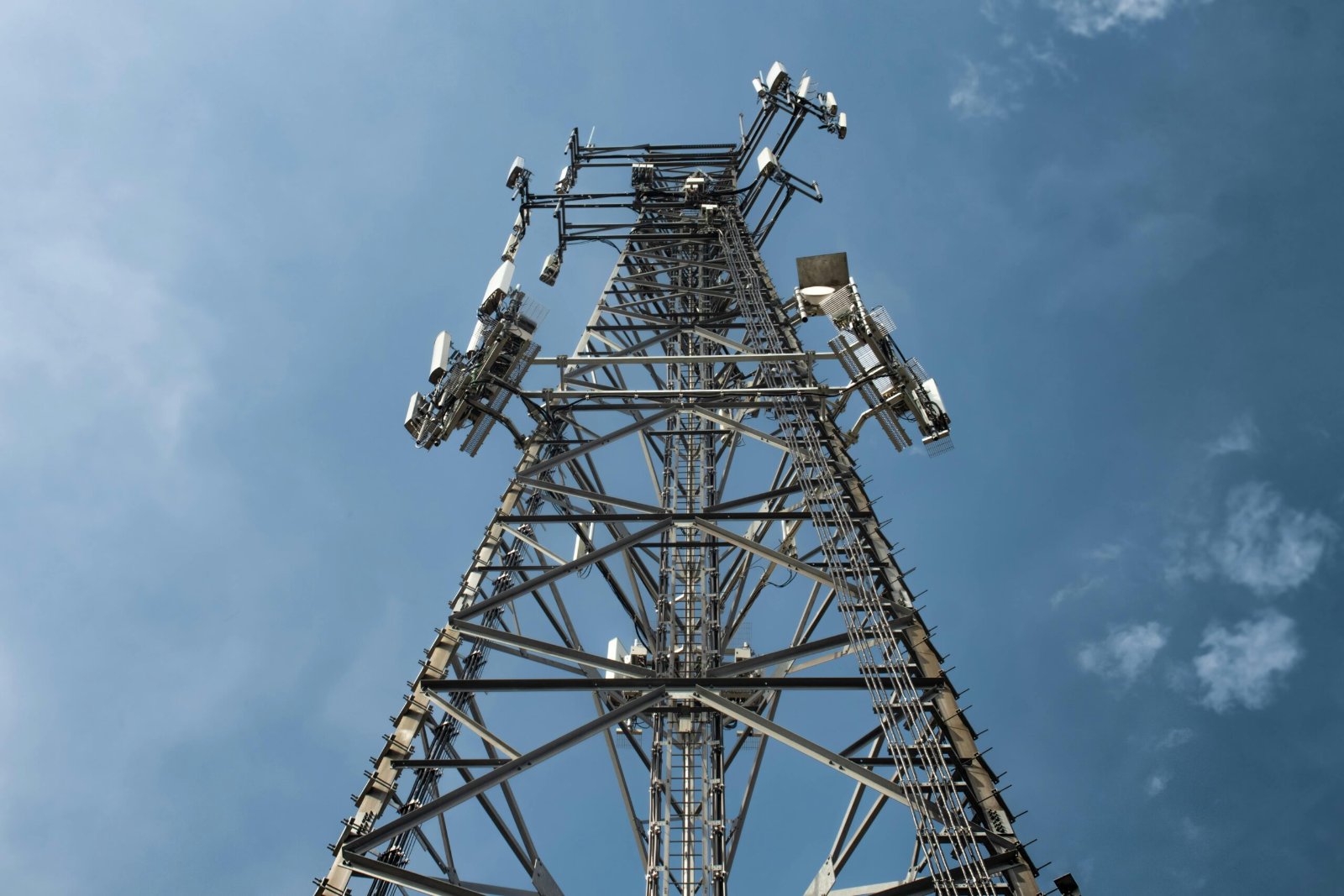
AI 合法的な傍受能力 are beginning to transform how operators and agencies manage intercepts. Artificial intelligence and machine learning are reshaping industries across the global economy, and lawful interception is no exception. The combination of growing data volumes, increasing network complexity, and persistent resource constraints is driving both operators and 法執行機関 to explore how AI can enhance the efficiency, accuracy, and effectiveness of LIの運用. From automated warrant processing to intelligent target identification and anomaly detection, AI-assisted LI holds the promise of transforming how interception is managed, executed, and analysed.
本記事では、合法的傍受におけるAIの現在および新たな活用事例、自動化のメリットとリスク、ならびに事業者や法執行機関がAIを活用した合法的傍受(LI)機能を導入する際に考慮すべき実務上の課題について考察する。.
AIを活用した合法的通信傍受がもたらすもの
Lawful interception operations face several pressures that create a strong case for automation. Interception workloads are growing in complexity, and in some jurisdictions in volume, driven by the expansion of communications services, the proliferation of devices, and the increasing reliance of law enforcement on digital evidence. At the same time, the complexity of modern networks — with their virtualised architectures, multiple access technologies, and encrypted traffic — makes each individual interception more technically demanding than in previous network generations.
LIの運用チームは、通常、小規模で高度に専門化されています。処理量の増加と複雑化が相まって、手作業によるプロセスでは持続的に対応しきれない処理能力の課題が生じています。自動化により、より多くの検知事例を高い精度と一貫性をもって処理できるようになる一方で、オペレーターは専門的な判断を要する複雑なケースや境界事例に集中できるようになります。.
AIの有用性は、単なるプロセスの自動化にとどまりません。AIや機械学習は、人間のアナリストが見逃してしまうようなデータ内のパターンを特定したり、システムの問題や対象者の行動変化を示す異常を検知したりできるほか、傍受した資料の分析を支援し、捜査上の知見をより迅速かつ効率的に導き出すことができます。.
通信事業者分野におけるAIの活用
For operators, AI can enhance LI operations in several areas. The first is automated warrant processing. When an interception order is received via the HI1 interface, the LI管理システム must validate the order, identify the target in the network, configure the interception points, and activate the intercept. AI can assist in each of these steps — validating order formats and parameters against predefined rules, resolving target identifiers across multiple databases, selecting the interception points that a warrant’s scope requires, so that every communication in scope is covered when the target moves, and preparing the configuration for an operator to approve. In some countries this human step is mandatory: in Germany, activation of an electronically received order may never start without the operator’s staff (§ 12(2) TKÜV).
2つ目の分野は、予知保全とシステム監視です。AIは、LIシステムからの運用データ(システムログ、パフォーマンス指標、エラーパターンなど)を分析し、潜在的な障害が発生する前に予測することができます。この予測機能により、予防的なメンテナンスが可能となり、システム停止による傍受の失敗や規制違反のリスクを低減できます。.
The third area is quality assurance. AI can continuously monitor the IRI and CC data being generated by the LI system and compare it against expected patterns to detect data quality issues. For example, an AI system might detect that IRI events are missing expected data fields, that CC delivery latency has increased beyond acceptable thresholds, or that certain types of communications are not being intercepted correctly. Early detection of quality issues enables faster remediation and reduces the risk of delivering incomplete or inaccurate data to law enforcement. These monitoring and quality tools must run inside the LI domain and see only what LI-cleared staff may see. 3GPP TS 33.126 explicitly requires that the network’s own automated and AI-based systems cannot detect that an interception is taking place. LI logs, target identifiers and intercepted content must never feed general network analytics.
A fourth application is intelligent target tracking. In modern networks, a target may use multiple devices, multiple SIM profiles, multiple communication services, and may move between different network technologies and locations. Associations between the network’s temporary identities (such as 5G-GUTI or IP addresses) and the identifier named in the order are reported by the network itself (3GPP TS 33.127, clause 5.7). AI can help check that these records are complete and consistent. It must not extend the interception to new devices, SIM cards or services on its own inference. Those need a new or amended order.
法執行分野におけるAIの応用
法執行機関にとって、AIは傍受資料の分析および活用において大きな可能性を秘めています。現代の傍受、とりわけデータ傍受によって生成されるデータの量は、人間の分析官にとって処理しきれないほど膨大になる可能性があります。 AIは、傍受された音声通信の自動文字起こし、キーワードや関心のあるトピックを特定するための自然言語処理、大量のIRIデータにわたるパターン分析、通信パターンのマッピングや関係者の特定を行うネットワーク分析、そして捜査上重要な可能性のある異常な行動を特定するための異常検知など、さまざまな形で支援することができます。.
AI can also assist in the prioritisation of intercepted material. Not all intercepted communications are equally relevant to an investigation. AI can score intercepted material based on its likely relevance, directing human analysts to the most important items first. This prioritisation can significantly improve the efficiency of the analysis process, particularly in large-scale investigations involving multiple targets and high volumes of intercepted data. Each of these uses needs a legal basis of its own. Profiling people during an investigation, including link analysis that does so, is a high-risk use under the AI Act (Annex III, point 6), German constitutional case law requires specific statutory authority for automated analysis, and AI triage cannot replace the human review that protects privileged and core-private communications.
言語処理機能は、多言語や国境を越えた捜査において特に有用です。AIを活用した翻訳や文字起こしにより、分析担当者は自身が話せない言語で傍受された通信を処理できるようになり、効果的に支援できる捜査の範囲を広げることができます。.
リスクと課題
合法的な通信傍受におけるAIの導入には、リスクが伴う。第一に、エラーのリスクである。AIシステムは決して間違いを犯さないわけではないため、令状の自動処理、対象者の特定、あるいはデータ分析におけるエラーは、誤った人物を傍受したり、関連する通信を見逃したり、あるいは誤った捜査上の結論を導き出したりするなど、深刻な結果を招きかねない。 監視活動には法的配慮が必要であり、基本的人権にも影響を及ぼすため、合法的傍受(LI)の文脈におけるAIの誤りの影響は、他の多くの用途に比べてより深刻である。.
2つ目のリスクは、説明責任と透明性に関連しています。AIによる意思決定プロセスは不透明になりがちであり、AIシステムがなぜ特定の決定(例えば、特定の人物を対象として特定したり、特定の通信を関連性のあるものとしてフラグを立てたりすることなど)を下したのかを説明することが困難になる場合があります。 法的観点から見ると、この不透明さは、証拠の証拠能力を擁護することや、傍受プロセスに対する司法の監督を確保することにおいて、課題をもたらす可能性があります。.
3つ目のリスクはバイアスです。過去のデータを用いて学習されたAIシステムは、そのデータに含まれるバイアスを反映してしまう可能性があり、その結果、差別的な結果をもたらす恐れがあります。法執行の文脈において、バイアスのあるAIシステムは、特定のコミュニティや個人に不釣り合いな影響を及ぼす可能性があり、市民の自由に関する深刻な懸念を引き起こす恐れがあります。.
4つ目のリスクはセキュリティに関するものです。AIシステムは、攻撃者が悪用しうる新たな攻撃対象領域を生み出します。AIベースのLIシステムの学習データや入力信号を操作できる攻撃者は、システムが標的を見逃したり、誤検知を引き起こしたり、あるいはその他の方法で傍受プロセスを妨害したりする可能性があります。.
ガバナンスと監督
こうしたリスクを踏まえると、合法的傍受におけるAIの導入には、強固なガバナンスと監視の仕組みが必要となる。通信事業者や法執行機関は、人間による監視の役割の明確化、自動化された意思決定に対する承認要件、AIのエラーを検証・修正するための手順など、合法的傍受業務におけるAIの利用に関する明確な方針を策定すべきである。.
「ヒューマン・イン・ザ・ループ」型の設計は、重大な影響を伴う意思決定において特に重要です。AIは定型的な処理を自動化し、推奨事項を提供することはできますが、新たな傍受の開始、対象の特定、あるいは傍受した資料の証拠としての評価など、法的または権利上の重大な影響を伴う意思決定については、人間による審査と承認を経るべきです。 AIの役割は、人間の意思決定を補完することであり、それに取って代わるものであってはならない。.
Audit trails for AI-assisted decisions are essential. Every action taken by an AI system in the LI process should be logged, along with the data and reasoning that informed the decision. These audit trails support 規制遵守, enable quality review, and provide the transparency needed for judicial oversight.
規制の観点
Regulators are beginning to grapple with the implications of AI for lawful interception. The EU AI Act (Regulation (EU) 2024/1689) treats specific law-enforcement uses as high-risk: for example, evaluating the reliability of evidence or profiling people during investigations (Annex III, point 6). Some uses are prohibited outright, such as predicting offending based solely on profiling (Art. 5). After the 2026 Digital Omnibus amendment, the high-risk obligations apply from 2 December 2027. Providers of such systems carry out the conformity assessment, and agencies using them have deployer duties such as human oversight and logging. AI used exclusively for national security is outside the Act. Most AI an operator uses inside its own LI operations (order handling, monitoring, quality checks) is not a listed high-risk use, but data-protection law and national LI rules still apply in full.
各国の通信規制当局は、通信傍受業務におけるAIの利用について、具体的な指針を策定する可能性もあります。事業者は、各国の規制当局と積極的に連携し、変化し続ける期待事項を把握するとともに、自らの技術的専門知識を活かして、適切かつ効果的な規制枠組みの構築に貢献すべきです。.
結論
AIを活用した合法的な通信傍受は、複雑さとデータ量がますます増大する時代において、傍受業務の効率、精度、有効性を向上させる大きな機会となります。 令状処理の自動化から傍受資料のインテリジェントな分析に至るまで、AIはオペレーターと法執行機関双方の能力を向上させることができます。しかし、エラー、不透明性、バイアス、セキュリティ上の脆弱性など、AIに伴うリスクに対処するためには、慎重なガバナンス、強固な監督、そして重大な決定については人間による管理を維持するという確固たる姿勢が求められます。 適切な安全措置と透明性を確保しつつ、慎重にAIを導入するオペレーターや法執行機関は、変化し続ける法的・規制環境に準拠しつつ、リスクを管理しながらAIのメリットを最大限に活用できる立場に立つことになるでしょう。.
事業者向けの実践的な手順
AIを活用したLIの導入を検討している事業者は、まず現在の業務を徹底的に評価し、自動化やAIによって最大の価値が得られる分野を特定すべきです。一般的な着手点としては、日常的な令状処理手順の自動化、予測分析を用いたシステム状態監視の導入、IRIおよびCCの出力に対するデータ品質保証チェックの導入などが挙げられます。 これらのアプリケーションは、測定可能な業務上のメリットをもたらす一方でリスクは比較的低く、将来的にはより高度なAI機能の基盤となります。また、事業者は、LI運用チームがAI支援ツールを効果的に活用できるようトレーニングに投資し、人間のオペレーターが使用するAIシステムの能力と限界を理解し、監督や意思決定の役割において適切な判断を下せるようにする必要があります。.
AIを活用した合法的通信傍受の自動化がもたらす可能性は、単なるワークフローの最適化にとどまりません。技術が成熟するにつれ、AIを活用した合法的通信傍受ツールは、現代のコンプライアンス業務において不可欠な要素となるでしょう。.
関連記事
関連トピックについては、以下の記事を参照されたい:
外部リソース
以下の外部リソースは、さらなる背景と公式文書を提供している: