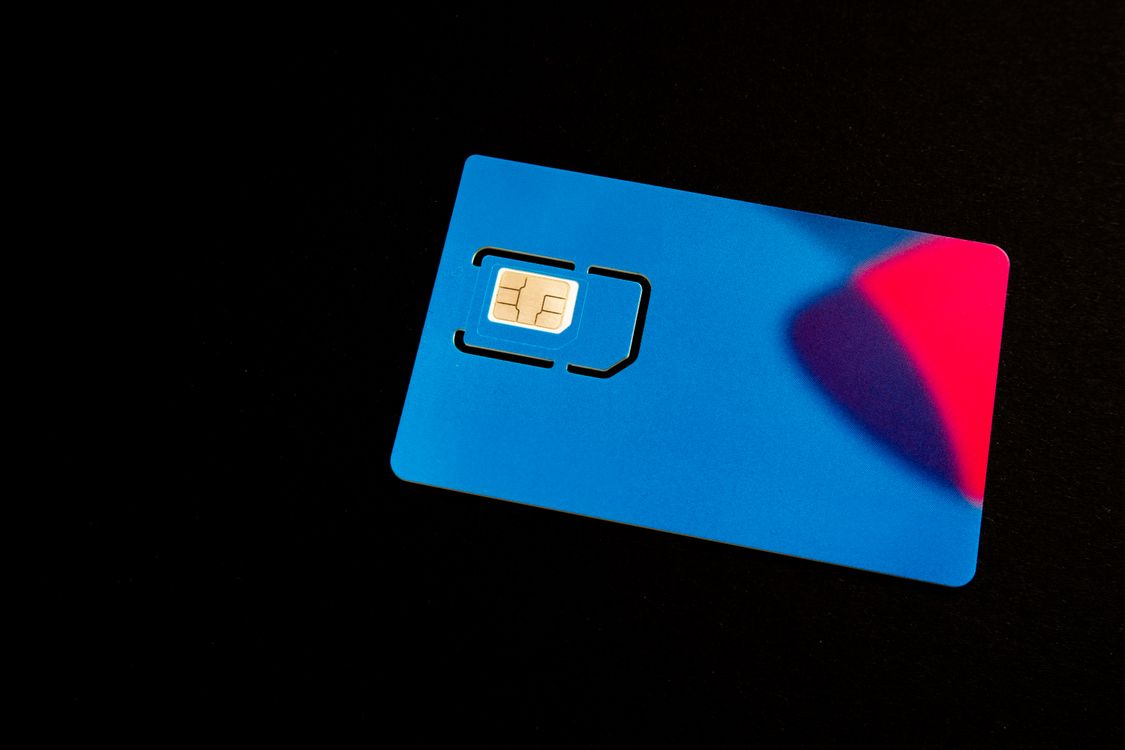
Satellite Lawful Interception Moves Into the Mobile Network
Satellite lawful interception is rapidly becoming one of the most critical compliance challenges in telecommunications. As major European mobile network operators form partnerships with satellite providers to deliver direct-to-device (D2D) connectivity, the existing obligation to intercept now has to cover the satellite leg of the mobile network too. For operators and service providers, this means making sure their 合法截获能力 cover these services from launch.
卫星到移动市场正以前所未有的速度加速发展。在过去短短几个月内,几乎所有欧洲主要移动网络运营商都宣布了卫星合作伙伴关系。这些交易并非试验性的试点项目。它们代表着商业承诺,将在 2027 年和 2028 年之前通过卫星连接为数亿用户提供语音、数据和信息服务。.
欧洲移动网络运营商与卫星合作格局
欧洲移动网络运营商与卫星合作的浪潮在范围和速度上都令人瞩目。对于任何参与卫星合法拦截规划的人来说,了解这一情况都是至关重要的。.
德国电信和 Starlink: In March 2026, Deutsche Telekom announced a partnership with SpaceX’s Starlink to close coverage gaps across ten European countries, with a potential reach of around 140 million customers according to press reports. The service is planned to use Starlink’s own Mobile Satellite Service (MSS) spectrum and Starlink’s next-generation V2 constellation. Which bands Starlink can use in Europe depends on the pending EU re-award of the 2 GHz MSS band. Launch is planned for early 2028; T-Mobile has offered a commercial Starlink service (T-Satellite) in the US since July 2025.
沃达丰、AST SpaceMobile 和欧洲卫星连接公司: Vodafone and AST SpaceMobile launched their joint venture Satellite Connect Europe, positioning it as a European alternative for D2D satellite services. The venture is building five ground stations across Europe, with construction already underway in Spain and the United Kingdom. Germany has been selected as the location for the satellite operations center. AST SpaceMobile had 13 BlueBird satellites in orbit by August 2026 and targets about 45 by early 2027, with commercial service planned for 2027; continuous global coverage needs a larger constellation.
橙色和 AST SpaceMobile: Orange 与 AST SpaceMobile 和 Satellite Connect Europe 签署了 D2D 服务合作协议。这家法国运营商将于 2026 年底在罗马尼亚进行卫星连接演示,测试语音、短信和数据功能。Orange 明确强调了欧洲安全要求、数据主权和流量控制的重要性,坚持要求网关留在欧洲,卫星在为欧洲客户服务时由欧洲实体控制。.
西班牙电信公司和欧洲卫星连接公司: Telefónica announced collaboration with Satellite Connect Europe to explore D2D applications in Spain and Germany. Telefónica’s UK joint venture Virgin Media O2 already offers a Starlink-based service, demonstrating a multi-provider approach to satellite connectivity.
沃达丰和亚马逊利奥: Vodafone is also partnering with Amazon’s LEO satellite broadband network to connect mobile tower sites in Europe and Africa via satellite backhaul. The first satellite-connected mobile sites are expected to go live from 2026, improving coverage in remote rural areas and increasing overall network resilience against outages caused by natural disasters. Backhaul links like this carry traffic between existing cell sites and the operator’s core, so lawful interception continues to take place in the core and is not affected.
云原生核心网络为卫星服务提供动力
卫星合法拦截的技术基础与网络本身同步发展。一项重要进展是 Mavenir 被以下机构选中 铱星通信 Mavenir 与铱星公司合作,为铱星公司的全球卫星 NB-IoT 和 D2D 服务 Iridium NTN Direct 部署核心网络。Mavenir正在亚马逊网络服务(AWS)上交付一个完全容器化、云原生的聚合分组核心解决方案。.
该部署支持基于 3GPP 标准的非地面网络(NTN)功能,包括全套核心网络功能:会话管理、用户平面、策略控制、用户管理、网络曝光和消息传递。该架构专为跨多个云区域的高可用性和地理冗余而设计,未来可向 5G NR 迁移,实现 D2D 连接。.
The use of standardized 3GPP core networks in satellite constellations has direct implications for satellite lawful interception. When satellite operators deploy core networks based on the same standards as terrestrial mobile networks, lawful interception interfaces can follow established ETSI specifications. However, satellite access changes some details of interception: location information is coarser, the serving country has to be determined reliably, and satellite operators that run their own core need their own LI.
卫星合法拦截为何如此复杂
Satellite lawful interception raises a few specific technical and regulatory questions on top of what operators already handle in terrestrial networks. The complexity arises from several interconnected factors.
跨境管辖权: A single satellite constellation may serve subscribers in dozens of countries simultaneously. When a subscriber in Germany connects through a satellite that is also serving users in France, Spain, and Romania, the obligation stays with the operator serving the subscriber under national law. The practical challenges are reliable country determination for satellite access (3GPP Release 17 adds network-verified UE location for this), coarser location information for law enforcement, and national rules for devices located abroad (e.g. § 4 TKÜV in Germany). Each country has its own legal framework, authorization requirements, and 执法机构 必须予以执行。.
分布式基础设施: Ground stations, gateways, core network functions, and satellite operations centers may be located in different countries. Orange has specifically demanded that gateways remain in Europe and that data from European customers stays within European jurisdiction. Because D2D satellites act as an extension of the operator’s radio network, traffic is still routed through the MNO’s own core, so interception stays in the core where existing X1/X2/X3 points of interception already sit. The new work is mostly in location information, roaming and cross-border handling, not in tapping satellites or gateways.
多个技术层: The satellite-to-mobile ecosystem involves MSS spectrum, LEO and GEO constellations, 3GPP NTN standards, cloud-native core networks, and integration with existing terrestrial mobile infrastructure. A single voice call might traverse satellite uplinks, ground station downlinks, cloud-hosted core network functions, and terrestrial transport networks before reaching its destination, but the points of interception remain in the core network functions.
多运营商协议: Most MNOs are pursuing multi-vendor satellite strategies. Orange, for example, works with several satellite operators, including Eutelsat and Telesat for backhaul and enterprise connectivity, Skylo for its live satellite messaging service in France, and AST SpaceMobile/Satellite Connect Europe for future D2D. Telefónica works with Satellite Connect Europe, and its UK joint venture Virgin Media O2 with Starlink. Where the satellite partner only provides radio access, the MNO’s existing LI in its core continues to apply. Separate LI arrangements are only needed where a satellite operator runs its own core or sells services to end users directly.
监管的不确定性: The EU 2 GHz MSS licences expire in May 2027 and may be extended to 2029. Under a Commission proposal of May 2026, new EU-wide rights would be selected around 2028–2029, with a third of the band reserved for a secure governmental system. Regulatory frameworks for satellite-based communications services are still evolving. Operators cannot wait for final regulations before building their satellite lawful interception capabilities, as services may launch using existing spectrum before MSS allocation is complete.
ICS: Your Partner for Satellite Lawful Interception in Europe
The convergence of satellite and terrestrial mobile networks calls for LI partners who understand both the 3GPP core and the national requirements of each country. This is where ICS (International Carrier Services) delivers value.
作为一家经验丰富的 合法拦截和数据保留解决方案, ICS supports operators in several European jurisdictions and can integrate satellite-extended networks into its LI management and mediation platform, adapting the handover to each country’s national requirements.
覆盖多个国家: As an LI managed-service provider operating in several European countries, ICS knows the lawful interception requirements of several European countries and can help operators adapt the handover to each national profile.
技术诊断方法: Whether the satellite service uses Starlink, AST SpaceMobile, Iridium, or any other constellation, ICS integrates with the underlying core network infrastructure to deliver compliant interception capabilities. The cloud-native, 3GPP-standards-based architecture of modern satellite core networks fits ICS’s standards-based interception platform.
端到端托管服务: 来自 保单管理 and target provisioning to mediation, formatting according to ETSI standards, and secure handover to law enforcement agencies, ICS can handle the lawful interception workflow for the satellite extension of your network. Operators can focus on launching their satellite services while ICS supports their compliance.
可扩展的基础设施: As satellite constellations expand and subscriber numbers grow from initial pilots to full commercial service, ICS’s infrastructure scales accordingly. The platform supports the high availability and geo-redundancy requirements that satellite lawful interception demands.
Act Now: Plan the Satellite Extension Into Your LI
The timeline is clear. Satellite-to-mobile services are already live in Europe (Orange’s satellite messaging in France, O2 Satellite in the UK), and larger launches follow in 2026–2028. In Germany, interception capability is required from the first day of service (§ 170 TKG). Plan the satellite extension into your existing LI acceptance with the regulator before launch.
Every MNO entering into satellite partnerships should be asking: who will handle my satellite lawful interception obligations across all the countries I serve? Where the satellite leg extends an existing network, the answer is usually the operator’s existing LI system; a specialized partner like ICS can help integrate the satellite extension and adapt the handover to each country’s requirements.
移动通信的卫星时代已经到来。请确保您的合法拦截策略已做好准备。. 联系 ICS to discuss your satellite lawful interception requirements and learn how ICS can help you integrate the satellite extension into your lawful interception, country by country.
相关文章
如需进一步了解相关主题,请浏览这些文章:
外部资源
以下外部资源提供了更多背景资料和官方文件: