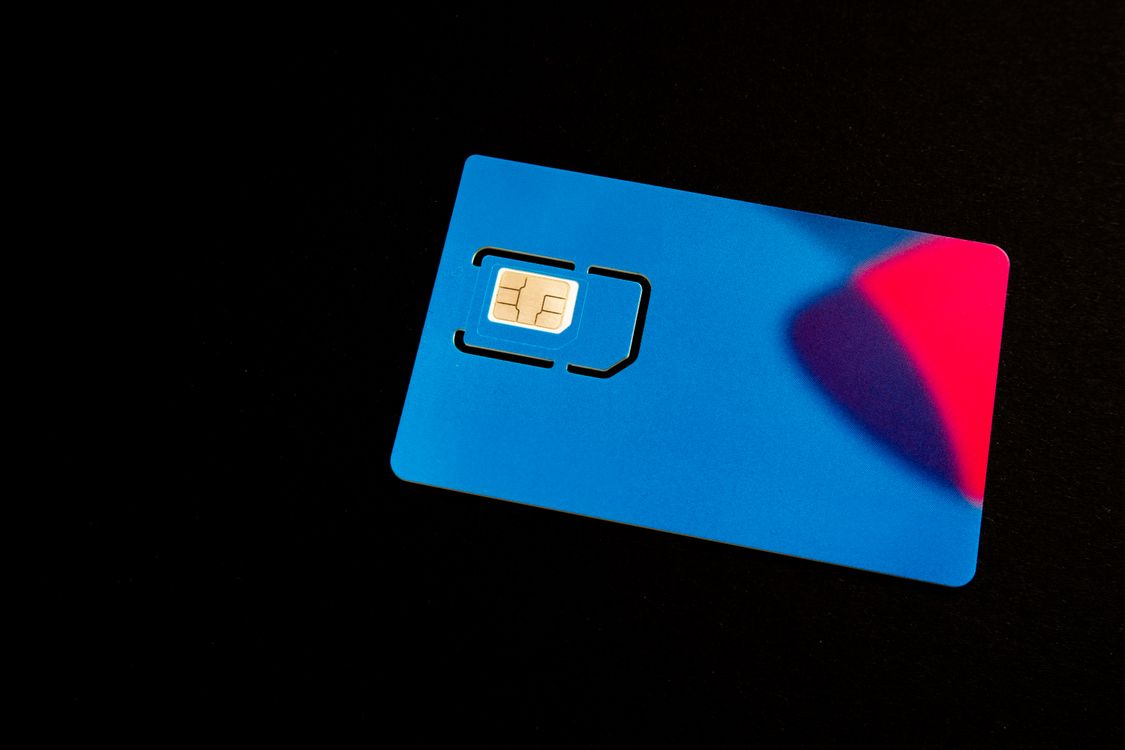
与传统移动虚拟网络运营商(MVNO)相比,eSIM移动虚拟网络运营商(MVNO)的商业模式在合法截取方面带来了独特的挑战。仅提供eSIM服务的移动虚拟网络运营商已成为电信市场中一个日益壮大的细分领域。 通过彻底摒弃实体SIM卡,这些运营商能够提供全数字化开通服务、即时激活以及无缝的用户配置文件管理——这些特点都极具吸引力,深受精通技术的消费者和“数字优先”品牌的青睐。然而,纯eSIM模式给合法截获带来了特定挑战,这些挑战超出了传统MVNO所面临的范围。 eSIM配置文件的动态特性、配置文件切换的便捷性,以及缺乏实体身份验证触点,这些因素共同造成了必须加以解决的复杂性,以便 监管合规.
本文探讨了仅支持eSIM的移动虚拟网络运营商(MVNO)所面临的独特定位(LI)挑战,并针对在现行监管和技术框架内解决这些挑战提供了切实可行的解决方案。.
eSIM 虚拟运营商(MVNO)的合规挑战
仅支持eSIM的虚拟运营商(MVNO)无需实体SIM卡即可运营。用户可通过GSMA RSP(远程SIM卡配置)架构,将运营商配置文件直接下载到设备内置的UICC中。 从注册、激活到服务管理,整个客户旅程均以数字化方式完成。这种模式消除了SIM卡制造、分销和实体零售带来的物流环节,从而实现了更精简、更具可扩展性的业务运营。.
从合法截获的角度来看,纯eSIM模式与传统的eSIM部署有许多共同点,但同时也加剧了某些挑战。 完全不分发实体SIM卡意味着没有可用于身份验证的实体接触点。配置文件管理的便捷性意味着用户可以几乎毫无障碍地激活、停用和切换配置文件。而且,以数字化为主的客户群体可能在技术上更为精通,也更倾向于使用增强隐私保护的技术。.
身份验证与“了解你的客户”(KYC)面临的挑战
“了解你的客户”(KYC)要求因司法管辖区而异,但在许多欧洲市场,运营商必须在激活服务前核实用户的身份。对于仅提供eSIM服务的虚拟运营商(MVNO),此项核实必须完全通过数字渠道进行——无法在零售网点进行面对面的身份证明文件核查。 数字身份验证方法包括视频身份识别、电子身份证明文件验证、电子身份证(eID)认证以及银行账户验证。.
The quality of identity verification directly affects the effectiveness of lawful interception. If a subscriber’s identity is not reliably established, law enforcement may be unable to find out which number or profile belongs to a suspect, and therefore which identifier to name in an interception order. eSIM-only MVNOs must implement robust digital KYC processes that meet the standards required by their regulatory framework and that provide a reliable link between the subscriber’s real-world identity and their network identity (IMSI, MSISDN).
Some jurisdictions have specific requirements for digital identity verification that operators must comply with. Germany’s TKG requires identity verification for prepaid mobile services before activation (§ 172 TKG). Remote procedures must be ones the Bundesnetzagentur has approved and must be certified by an accredited conformity assessment body. eSIM-only MVNOs must ensure that their digital KYC processes meet these specific national requirements.
个人资料生命周期管理
在仅支持eSIM的虚拟运营商(MVNO)中,配置文件的生命周期——包括下载、安装、激活、停用和删除——完全通过数字化流程进行管理。该生命周期的每个阶段都会对合法截取产生影响。 当新配置文件被下载并激活时,用户将以一组新的标识符在网络中显现。当配置文件被停用或删除时,用户将从网络中消失。法律截获(LI)系统必须对这些状态转换进行追踪,以确保随着目标用户配置文件状态的变化,截获措施能够得以维持或调整。.
The reliable source for identifier changes is the MVNO’s own provisioning chain (BSS, HSS/UDM): every new profile and its IMSI is created there before download. SM-DP+ notifications (GSMA SGP.22) can add context, but they are best-effort and should not be the basis for interception. Integrating the LI system with the provisioning chain lets it show which profile and IMSI belong to an identifier named in an order, so the team can answer the agency’s follow-up requests quickly.
仅支持eSIM的虚拟运营商(MVNO)还应考虑配置文件可移植性带来的影响。用户可能在同一台设备上下载来自多家仅支持eSIM的虚拟运营商的配置文件,并根据需要在它们之间切换。 虚拟运营商只能对其自身配置文件中的通信进行拦截——当用户切换到其他虚拟运营商的配置文件时,原虚拟运营商将无法再监控该通信。要在多个仅支持eSIM的虚拟运营商之间协调通信拦截,执法部门需要向每家运营商分别下达命令,这在操作上可能面临挑战。.
仅支持eSIM环境下的目标识别
针对仅支持eSIM的移动虚拟网络运营商(MVNO)的目标识别,遵循与其他运营商相同的一般原则,但存在一些具体差异。 如果目标用户保留同一号码,基于MSISDN的定位较为简单。然而,仅支持eSIM的MVNO可能会提供便于频繁更换号码的服务——如虚拟号码、临时号码或多号码服务——这会使基于MSISDN的定位变得复杂。.
IMSI-based targeting is tied to the specific profile. Each eSIM profile has its own IMSI, and if the target obtains a new profile (even from the same MVNO), the IMSI will change. If the target obtains a new profile, the IMSI named in the order stops producing traffic, and the existing interception reports the deregistration. The agency can then request the new identifiers through the national subscriber-data procedure (in Germany § 174 TKG) and obtain an amended order. Interception must never be extended to new identifiers automatically.
IMEI-based targeting provides device-level identification that is independent of the eSIM profile. This can be particularly valuable in the eSIM-only context, as the IMEI remains constant even when profiles are changed. However, IMEI-based targeting identifies the device, and dual-SIM devices use a separate IMEI for each active SIM or eSIM profile. An operator can only intercept traffic on its own network, so profiles of other operators on the same device are not captured; agencies must address those operators separately.
技术解决方案
eSIM-only MVNOs should implement several technical measures to address the LI challenges specific to their model. First, integrate the LI system with your own provisioning chain (BSS, HSS/UDM), which is where every new profile and its IMSI is created; SM-DP+ notifications are best-effort and only add context. This is the foundation for recognising profile changes that affect a target. Second, make sure the LI system can task every identifier named in the order (MSISDN, IMSI, IMEI) and reports the IP addresses assigned to the target’s sessions, so that each intercepted session is attributed to the order it belongs to. Third, ensure that registration and deregistration events of the target are reported as standard IRI. Any additional eSIM-related information should only be delivered where the national handover specification provides for it.
Fourth, implement fast processes for handling profile changes: answer the agency’s requests for the target’s new identifiers promptly, and add a new IMSI or number only when an amended order names it. Interception must never be extended to new identifiers automatically.
第五,确保您的数字化“了解您的客户”(KYC)流程能够生成可靠的身份信息,以便支持执法部门对目标对象进行身份识别。您 订阅者数据 这直接影响到合法截获的效力,以及您响应执法机关提出的用户信息请求的能力。.
监管沟通
仅提供eSIM服务的移动虚拟网络运营商(MVNO)应主动与本国监管机构沟通,探讨仅提供eSIM服务模式在合法截获(LI)方面面临的具体挑战。 监管机构可能尚未充分考虑仅支持eSIM的运营模式对合法截获的影响,而主动沟通既能体现善意合规,也有助于形成切合实际的监管预期。运营商应记录其在仅支持eSIM环境下确保合法截获合规性的做法,包括存在的任何限制以及为解决这些限制所采取的措施。.
结论
eSIM-only MVNOs face unique LI challenges related to digital identity verification, profile lifecycle management, target identification, and the dynamic nature of the eSIM environment. These challenges are addressable through a combination of technical integration, well-defined processes, robust KYC procedures, and proactive regulatory engagement. Which of these measures you need depends on your model: a light MVNO relies on its host’s interception, while travel eSIMs that use a foreign operator’s profile are intercepted, if at all, in that operator’s country or as inbound roamers. By building LI considerations into the design of their eSIM-only operations from the outset, MVNOs can achieve compliance while maintaining the operational agility and digital-first experience that define their business model.
运营方面的考虑
除了技术基础设施之外,仅支持eSIM的虚拟运营商(MVNO)还必须建立能够体现其商业模式特定特征的运营流程。员工培训应涵盖eSIM的生命周期及其对LI的影响,包括配置文件下载、激活、停用和删除如何影响实时拦截。 LI运维团队必须理解eSIM管理平台与LI系统之间的关系,并能够排查这两个系统交汇处出现的问题。.
事件响应流程应涵盖eSIM特有的场景,例如目标设备快速切换多个配置文件、影响LI系统性能的大规模配置文件事件,或是eSIM管理平台与LI系统之间的集成故障。这些场景是eSIM环境所特有的,需要制定专门的响应流程,而传统的LI事件响应计划可能并未涵盖这些内容。.
对于仅支持eSIM的虚拟运营商(MVNO)而言,文档记录尤为重要,因为其商业模式尚属新兴,且监管环境也在不断演变。请对您的eSIM LI架构、流程及测试结果进行全面的文档记录。 这些文档既可向监管机构证明合规性,也为回应有关“您的 LI 能力如何应对纯 eSIM 模式的具体挑战”的疑问提供了依据。随着 eSIM 监管框架的演变,文档记录完善的运营商将更能适应新要求,并证明其已采取周全、积极主动的合规措施。.
The relationship between the eSIM-only MVNO and its host MNO also requires specific attention in the eSIM context. The host MNO’s network does not see eSIM profile events as such, only the registration and deregistration of each profile’s IMSI, so the interception mechanisms work as for physical SIMs; the LI arrangements should still be tested with profile switches and replacements. eSIM-only MVNOs should work closely with their host MNOs to ensure that the LI arrangements cover the full range of eSIM-specific scenarios and that the 拦截能力 该方案已通过全面测试进行了验证,测试内容包括 eSIM 配置文件的生命周期事件以及传统的拦截场景。.
eSIM 虚拟运营商(MVNO)市场正在迅速增长,监管要求也在随之不断演变。每一家 eSIM 虚拟运营商都必须确保其 LI 基础设施能够应对远程 SIM 卡配置所带来的独特身份识别挑战。.
相关文章
如需进一步了解相关主题,请浏览这些文章:
外部资源
以下外部资源提供了更多背景资料和官方文件: