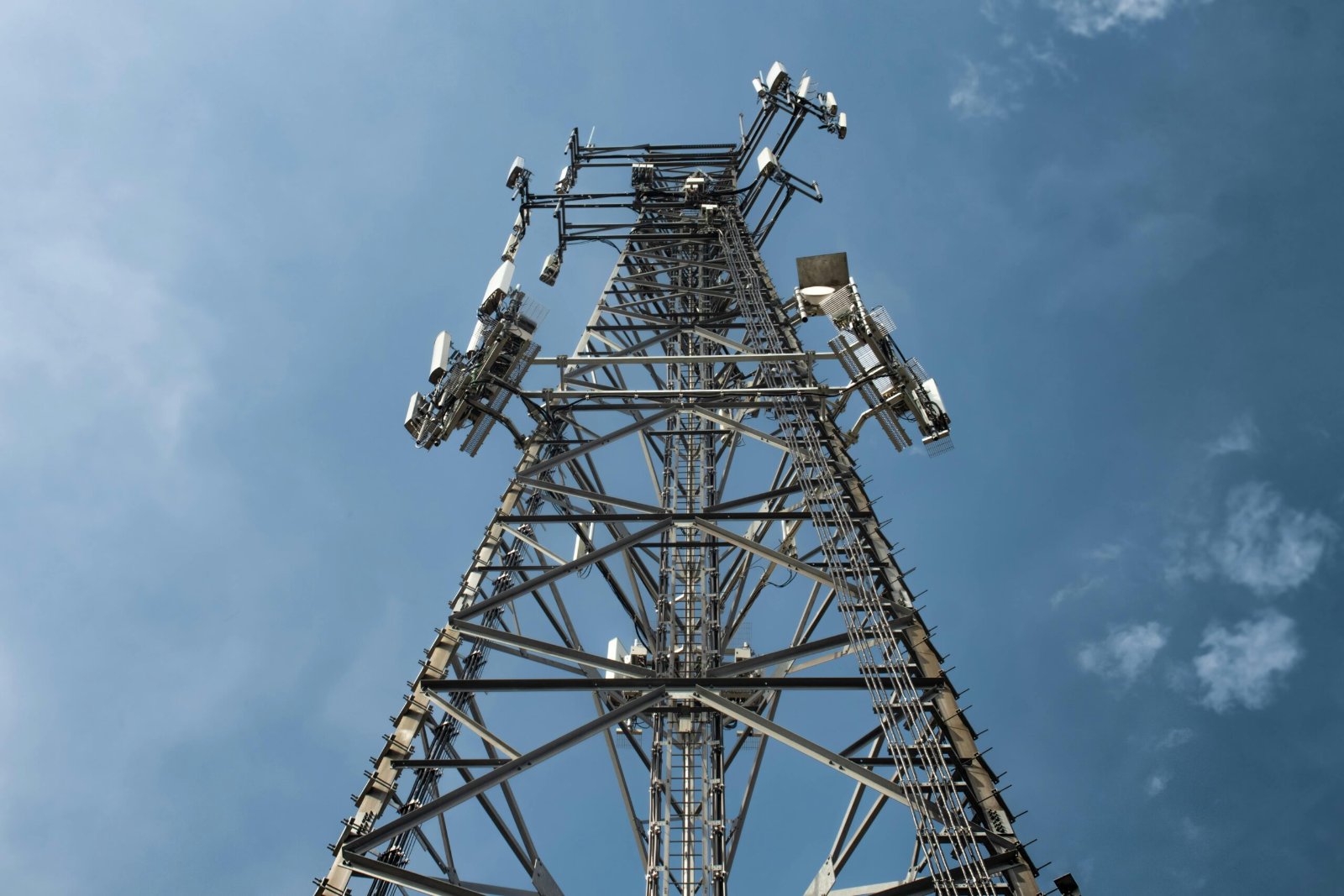
Технология сегментирования сети 5G создает как проблемы, так и возможности для обеспечения соответствия требованиям законного перехвата. Сетевое сегментирование является одной из определяющих возможностей архитектуры 5G Standalone (SA). Создавая логически изолированные сегменты сети на базе общей физической инфраструктуры, операторы могут адаптировать характеристики подключения — задержку, пропускную способность, надежность и безопасность — к конкретным требованиям различных услуг, приложений или групп абонентов. В контексте законного перехвата сегментирование сети влечет за собой как значительные сложности, так и, как ни парадоксально, потенциальные упрощения. Понимание того, как сегментирование влияет на определение целей, осуществление и предоставление услуг законного перехвата, имеет решающее значение для любого оператора, развертывающего или планирующего развертывание сети 5G SA.
В данной статье рассматривается взаимосвязь между сегментированием сети и законным перехватом информации; в ней освещаются техническая архитектура, проблемы, связанные с идентификацией целей и осуществлением перехвата, а также потенциальные преимущества, которые сегментирование может обеспечить для Операции LI, а также практические меры, которые операторы должны принять для обеспечения соответствия требованиям в среде сегментированных сетей.
Как сетевое сегментирование 5G влияет на LI
In a 5G SA network, a network slice is a logically isolated end-to-end network that includes specific configurations of radio access, transport, and core network resources. Each slice is identified by a Single Network Slice Selection Assistance Information (S-NSSAI) value and is designed to meet particular service requirements. For example, one slice might be optimised for ultra-reliable low-latency communication (URLLC) for industrial control, another for massive IoT (MIoT) sensor networks, and a third might provide enhanced mobile broadband (eMBB) for consumer smartphones.
С точки зрения базовой сети каждый слайс может иметь собственные выделенные экземпляры определенных сетевых функций — таких как SMF, UPF и PCF — или может совместно использовать экземпляры сетевых функций с другими слайсами. Степень изоляции между сегментами настраивается и зависит от стратегии развертывания оператора и требований конкретного сегмента. Такая гибкость является ключевым преимуществом сегментации, но также усложняет работу функций, которым необходимо действовать через границы сегментов, в том числе функций законного перехвата.
A single subscriber may simultaneously use services across multiple slices. A smartphone user might have their voice traffic routed through one slice, their video streaming through another, and their IoT companion device connected through a third. Each slice may have its own UPF, its own PDU session, and its own IP addressing. Which slice carries which traffic is decided by the device’s route selection policy (URSP), within the slices the network allows, selected with the help of the NSSF and the subscription data in the UDM.
Сложности при нацеливании на LI
Network slicing complicates LI targeting in several ways. The most fundamental complication is that a target’s traffic may be spread across multiple slices, each potentially served by different UPF instances. A single interception order must result in the capture of all the target’s communications, regardless of which slice they traverse. This requires the operator to equip every network function that can serve the target, including dedicated per-slice SMFs and UPFs, with LI functions, and to provision the task to all of them.
Target identification in a sliced environment is more complex than in a non-sliced network. The same subscriber may appear with different session contexts, different IP addresses, and different QoS characteristics depending on which slice is serving a particular communication flow. Every interception point tags its X2/X3 records with the task’s XID, so the mediation function delivers every session in every slice under the same LIID, and the IRI tells the LEA which slice (S-NSSAI) each session used.
The dynamic nature of slice allocation adds further complexity. Slices can be created, modified, and terminated dynamically, and a target’s traffic may move between slices as service requirements change. If the task was provisioned only to the network functions of some slices, a change in the target’s subscribed slices (which the UDM reports as IRI) can leave a gap, and the administration function must extend the task to the SMFs of the new slices. Provisioning every SMF that can serve the target avoids this, because UPF interception is then triggered per session.
Another complication arises from the potential for different slices to be operated by different entities. In some business models, an enterprise or vertical industry partner may operate its own slice on the operator’s infrastructure, potentially with its own network functions and operational management. The question of who is responsible for lawful interception within such a slice — the infrastructure operator, the slice tenant, or both — is a regulatory and contractual question. In most frameworks the answer follows the service: whoever provides a publicly available communications service over the slice carries the LI obligation. A private enterprise slice that is not offered to the public is usually out of scope, and the infrastructure operator remains responsible for the parts of its network that serve public services. Contracts must reflect this, and the operator must keep its LI functions secure even in slices it does not manage.
Как нарезка может упростить LI
Despite these complications, network slicing can also offer potential benefits for lawful interception. The logical isolation of slices means that traffic within a slice is already segregated from traffic in other slices. If the target can only use certain slices, the administration function can provision the task only to the network functions of those slices (3GPP TS 33.127, clause 5.3.5.5), which keeps the number of provisioned interception points small.
Slicing can also enable more granular interception. Instead of intercepting all of a target’s traffic — which in a modern smartphone environment can include significant volumes of background data, software updates, and other non-relevant traffic — slicing could potentially allow the interception to be focused on specific service types or communication flows. In practice, however, limiting interception to particular slices is generally not an option: national rules such as § 5(2) TKÜV in Germany require a complete copy of the target’s communications. Where an order covers only certain services, the standards provide service scoping by service type, not by slice.
С точки зрения безопасности изоляция между сегментами может обеспечить дополнительную защиту функции LI. Развертывая компоненты LI в выделенном защищённом сегменте — или обеспечивая, чтобы трафик LI между сетевыми функциями и посредническая платформа is carried on a separate, isolated transport path — operators can enhance the confidentiality and integrity of the interception process. Slice isolation can help, but LI functions still need their own protected trust domain. In virtualised networks 3GPP requires them to meet ETSI GS NFV-SEC 012 (TS 33.126, R6.6-160).
Стандарты 3GPP для LI в слайсовых сетях
The 3GPP LI architecture for 5G, defined in TS 33.127 and TS 33.128, addresses network slicing explicitly. 3GPP’s LI requirements (TS 33.126) are technology-neutral: interception must be complete regardless of how the network is built, and that includes slicing. TS 33.127 and TS 33.128 add slice-aware provisioning and report slice information (S-NSSAI) in the IRI. On X1, a task names the target and, optionally, the service types to intercept. Slices are not an X1 parameter. Instead, the administration function decides which network functions, and therefore which slices, receive the task (3GPP TS 33.127, clause 5.3.5.5), and the X2 and X3 interfaces carry xIRI and xCC from interception points in any slice to the MDF, which turns them into IRI and CC for delivery.
The standards define that the AMF, which handles the target’s registration and mobility management, is a key interception point for slice-related IRI. When a target registers with the network and is allocated to one or more slices, the AMF generates IRI events that include the slice information. CC interception in the UPF is triggered per PDU session: the SMF serving that session, which holds the LI task, instructs its UPF over the internal LI_T3 interface. The operator must therefore make sure every SMF that can serve the target, in every slice, carries the task and that every UPF supports LI_T3 and X3.
The UDM is itself an interception point: it reports changes to the target’s subscribed slices as IRI. To keep coverage complete as slices change, the LI administration function learns about new SMFs and UPFs from the operator’s management and orchestration systems when they are instantiated, and from the System Information Retrieval Function (SIRF) in the NRF when they register and are ready for traffic (3GPP TS 33.127, clauses 5.3.5.3 and 5.3.6).
Практические последствия для операторов
Operators deploying 5G SA networks with slicing capabilities should address LI requirements from the earliest stages of slice design and deployment. Several practical steps are recommended. First, ensure that your LI system is aware of the slice architecture and can dynamically discover and configure interception points within any slice. This requires integration between the LI administration function and the operator’s orchestration systems and the NRF-based System Information Retrieval Function (SIRF), so that new SMFs and UPFs are provisioned as they are created.
Second, verify that the UPFs deployed within each slice support the LI_T3 trigger and the X3 interface for content delivery to the LI mediation function, and that the SMFs serving those slices support the IRI point of interception and the CC triggering function. If a slice uses a UPF that does not support X3, the operator will have a gap in its interception capability for traffic traversing that slice. This is a procurement requirement that should be included in all UPF vendor specifications.
Third, develop procedures for handling interception orders that span multiple slices. The LI operations team must understand how to provision tasks that cover all of a target’s slice allocations and when the administration function has to extend a task to the network functions of additional slices. Automation of this process is highly recommended, as manual configuration across multiple slices is error-prone and slow.
В-четвертых, необходимо урегулировать вопросы управления и договорные аспекты LI в сегментах, находящихся в совместном пользовании или управляемых предприятием. Если третьи стороны эксплуатируют сегменты на вашей инфраструктуре, обязанности в отношении законного перехвата должны быть четко определены в коммерческих соглашениях и должны соответствовать нормативным требованиям каждой соответствующей юрисдикции.
Заключение
Сетевое слайсирование в сети 5G в автономном режиме (SA) создаёт как проблемы, так и возможности для законного перехвата данных. Распределение трафика целевого объекта по нескольким слайсам, динамический характер выделения слайсов и возможность эксплуатации слайсов третьими сторонами — всё это усложняет процесс перехвата. В то же время логическая изоляция и степень детализации сегментации могут предложить новые подходы к целенаправленному и эффективному перехвату. Для операторов ключевым моментом является проактивное учет требований к логическому перехвату (LI) при проектировании сегментов, обеспечение того, чтобы их системы LI учитывали особенности сегментов и динамически адаптировались к ним, а также установление четкого порядка распределения ответственности за перехват в многопользовательских средах с сегментами. Таким образом, операторы смогут выполнять свои обязательства по соблюдению нормативных требований, одновременно в полной мере используя потенциал сегментирования сетей 5G.
В перспективе эволюция сетевого слайсинга в сторону более динамичных моделей, основанных на намерениях, еще больше повысит сложность LI в средах с сетевыми слайсами. Будущие сети могут включать сегменты, которые создаются и уничтожаются по требованию, а ресурсы выделяются и освобождаются в режиме реального времени в зависимости от потребностей услуг. Система LI должна развиваться вместе с этими возможностями, обеспечивая всесторонний охват перехвата даже при постоянных изменениях базовой топологии сети. Операторы, которые инвестируют в гибкие, соответствующие стандартам Решения LI сегодня будут лучше подготовлены к адаптации к этим будущим изменениям и к обеспечению непрерывного соблюдения нормативных требований по мере развития своих сетей 5G.
По мере развития внедрения технологий 5G с использованием сетевых срезов проблемы, связанные с перехватом данных, будут меняться. Операторам следует разрабатывать архитектуру LI для сетевых срезов 5G с учетом возможности будущего расширения.
Похожие статьи
Чтобы узнать больше о смежных темах, ознакомьтесь с этими статьями:
- Интерфейсы X1/X2/X3 в 5G: объяснение архитектуры 3GPP LI
- eSIM и законный перехват: Что означает архитектура RSP для соответствия нормативным требованиям
- Зашифрованный DNS (DoH/DoT) и его влияние на возможности законного перехвата
Внешние ресурсы
Следующие внешние ресурсы предоставляют дополнительный контекст и официальную документацию: