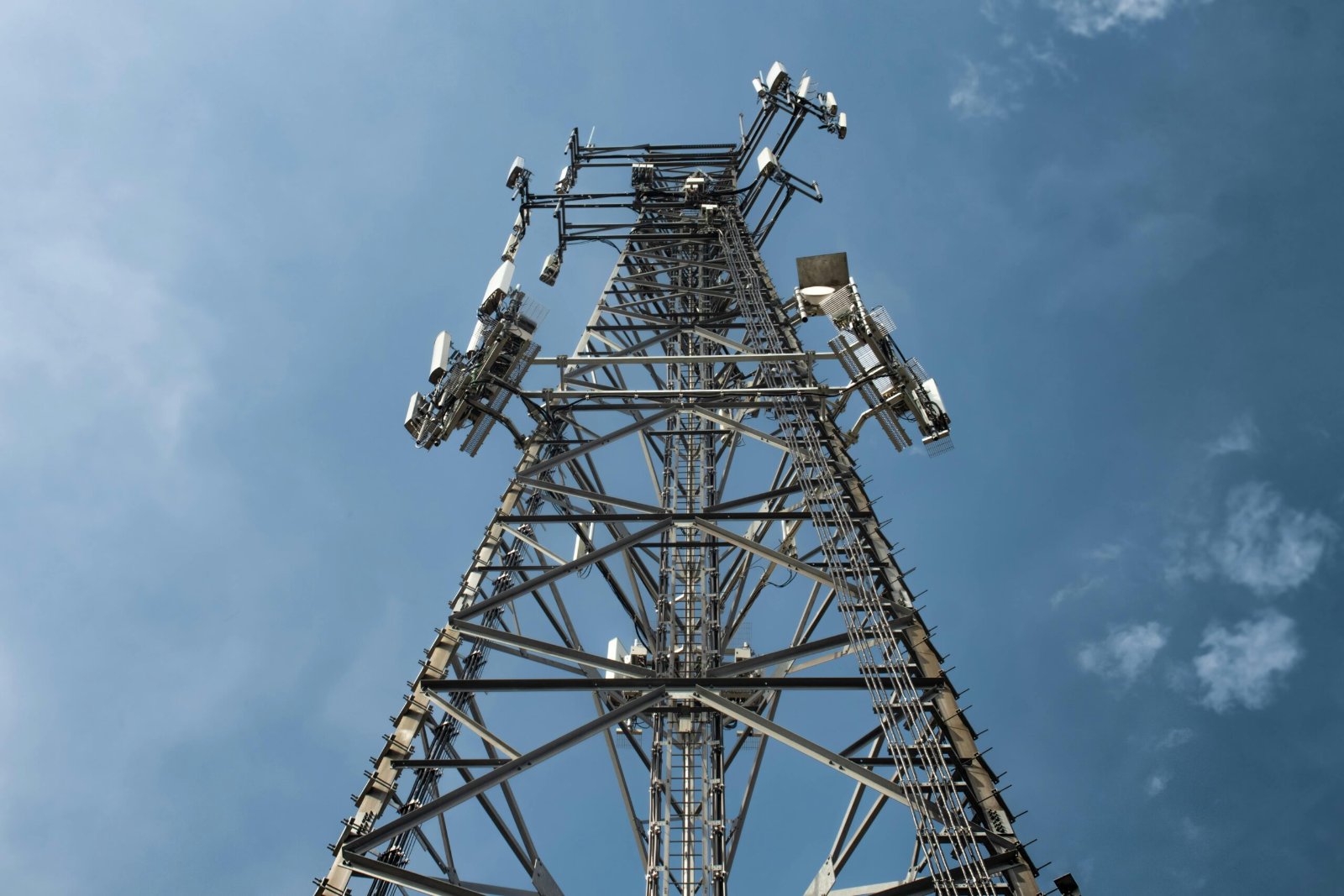
5G 네트워크 슬라이싱 기술은 합법적 감청 규정 준수에 있어 도전 과제와 기회를 동시에 가져옵니다. 네트워크 슬라이싱은 5G 독립형(SA) 아키텍처의 핵심 기능 중 하나입니다. 통신 사업자는 공유된 물리적 인프라 위에 논리적으로 분리된 네트워크 파티션을 생성함으로써, 지연 시간, 대역폭, 신뢰성, 보안과 같은 연결 특성을 다양한 서비스, 애플리케이션 또는 고객 그룹의 특정 요구 사항에 맞게 조정할 수 있습니다. 합법적 감청의 관점에서 볼 때, 네트워크 슬라이싱은 상당한 복잡성을 초래하는 동시에 역설적으로 잠재적인 단순화 효과도 가져옵니다. 5G SA 네트워크를 구축하거나 계획 중인 모든 통신사업자에게는 슬라이싱이 합법적 감청의 대상 선정, 실행 및 전달에 어떤 영향을 미치는지 이해하는 것이 필수적입니다.
이 글은 네트워크 슬라이싱과 합법적 감청의 접점을 살펴보며, 기술적 아키텍처, 대상 식별 및 감청 실행에 따른 과제, 슬라이싱이 제공할 수 있는 잠재적 이점 등을 다룬다. LI 운영, 그리고 분할된 네트워크 환경에서 규정 준수를 보장하기 위해 통신 사업자가 취해야 할 실질적인 조치들.
5G 네트워크 슬라이싱이 LI에 미치는 영향
In a 5G SA network, a network slice is a logically isolated end-to-end network that includes specific configurations of radio access, transport, and core network resources. Each slice is identified by a Single Network Slice Selection Assistance Information (S-NSSAI) value and is designed to meet particular service requirements. For example, one slice might be optimised for ultra-reliable low-latency communication (URLLC) for industrial control, another for massive IoT (MIoT) sensor networks, and a third might provide enhanced mobile broadband (eMBB) for consumer smartphones.
코어 네트워크 관점에서 볼 때, 각 슬라이스는 SMF, UPF, PCF와 같은 특정 네트워크 기능에 대한 전용 인스턴스를 가질 수도 있고, 다른 슬라이스와 네트워크 기능 인스턴스를 공유할 수도 있습니다. 슬라이스 간의 격리 정도는 구성 가능하며, 이는 통신 사업자의 구축 전략과 슬라이스의 요구 사항에 따라 달라집니다. 이러한 유연성은 슬라이싱의 주요 장점이지만, 합법적 감청을 포함하여 슬라이스 경계를 넘어 작동해야 하는 기능에 대해서는 복잡성을 초래하기도 합니다.
A single subscriber may simultaneously use services across multiple slices. A smartphone user might have their voice traffic routed through one slice, their video streaming through another, and their IoT companion device connected through a third. Each slice may have its own UPF, its own PDU session, and its own IP addressing. Which slice carries which traffic is decided by the device’s route selection policy (URSP), within the slices the network allows, selected with the help of the NSSF and the subscription data in the UDM.
LI 표적화와 관련된 합병증
Network slicing complicates LI targeting in several ways. The most fundamental complication is that a target’s traffic may be spread across multiple slices, each potentially served by different UPF instances. A single interception order must result in the capture of all the target’s communications, regardless of which slice they traverse. This requires the operator to equip every network function that can serve the target, including dedicated per-slice SMFs and UPFs, with LI functions, and to provision the task to all of them.
Target identification in a sliced environment is more complex than in a non-sliced network. The same subscriber may appear with different session contexts, different IP addresses, and different QoS characteristics depending on which slice is serving a particular communication flow. Every interception point tags its X2/X3 records with the task’s XID, so the mediation function delivers every session in every slice under the same LIID, and the IRI tells the LEA which slice (S-NSSAI) each session used.
The dynamic nature of slice allocation adds further complexity. Slices can be created, modified, and terminated dynamically, and a target’s traffic may move between slices as service requirements change. If the task was provisioned only to the network functions of some slices, a change in the target’s subscribed slices (which the UDM reports as IRI) can leave a gap, and the administration function must extend the task to the SMFs of the new slices. Provisioning every SMF that can serve the target avoids this, because UPF interception is then triggered per session.
Another complication arises from the potential for different slices to be operated by different entities. In some business models, an enterprise or vertical industry partner may operate its own slice on the operator’s infrastructure, potentially with its own network functions and operational management. The question of who is responsible for lawful interception within such a slice — the infrastructure operator, the slice tenant, or both — is a regulatory and contractual question. In most frameworks the answer follows the service: whoever provides a publicly available communications service over the slice carries the LI obligation. A private enterprise slice that is not offered to the public is usually out of scope, and the infrastructure operator remains responsible for the parts of its network that serve public services. Contracts must reflect this, and the operator must keep its LI functions secure even in slices it does not manage.
슬라이싱이 LI를 어떻게 단순화할 수 있는가
Despite these complications, network slicing can also offer potential benefits for lawful interception. The logical isolation of slices means that traffic within a slice is already segregated from traffic in other slices. If the target can only use certain slices, the administration function can provision the task only to the network functions of those slices (3GPP TS 33.127, clause 5.3.5.5), which keeps the number of provisioned interception points small.
Slicing can also enable more granular interception. Instead of intercepting all of a target’s traffic — which in a modern smartphone environment can include significant volumes of background data, software updates, and other non-relevant traffic — slicing could potentially allow the interception to be focused on specific service types or communication flows. In practice, however, limiting interception to particular slices is generally not an option: national rules such as § 5(2) TKÜV in Germany require a complete copy of the target’s communications. Where an order covers only certain services, the standards provide service scoping by service type, not by slice.
보안 관점에서 볼 때, 슬라이스 간의 격리는 LI 기능에 대한 추가적인 보호 수단이 될 수 있습니다. 전용의 안전한 슬라이스 내에 LI 구성 요소를 배포하거나, 네트워크 기능 간 및 중재 플랫폼 is carried on a separate, isolated transport path — operators can enhance the confidentiality and integrity of the interception process. Slice isolation can help, but LI functions still need their own protected trust domain. In virtualised networks 3GPP requires them to meet ETSI GS NFV-SEC 012 (TS 33.126, R6.6-160).
슬라이스 네트워크의 LI에 대한 3GPP 표준
The 3GPP LI architecture for 5G, defined in TS 33.127 and TS 33.128, addresses network slicing explicitly. 3GPP’s LI requirements (TS 33.126) are technology-neutral: interception must be complete regardless of how the network is built, and that includes slicing. TS 33.127 and TS 33.128 add slice-aware provisioning and report slice information (S-NSSAI) in the IRI. On X1, a task names the target and, optionally, the service types to intercept. Slices are not an X1 parameter. Instead, the administration function decides which network functions, and therefore which slices, receive the task (3GPP TS 33.127, clause 5.3.5.5), and the X2 and X3 interfaces carry xIRI and xCC from interception points in any slice to the MDF, which turns them into IRI and CC for delivery.
The standards define that the AMF, which handles the target’s registration and mobility management, is a key interception point for slice-related IRI. When a target registers with the network and is allocated to one or more slices, the AMF generates IRI events that include the slice information. CC interception in the UPF is triggered per PDU session: the SMF serving that session, which holds the LI task, instructs its UPF over the internal LI_T3 interface. The operator must therefore make sure every SMF that can serve the target, in every slice, carries the task and that every UPF supports LI_T3 and X3.
The UDM is itself an interception point: it reports changes to the target’s subscribed slices as IRI. To keep coverage complete as slices change, the LI administration function learns about new SMFs and UPFs from the operator’s management and orchestration systems when they are instantiated, and from the System Information Retrieval Function (SIRF) in the NRF when they register and are ready for traffic (3GPP TS 33.127, clauses 5.3.5.3 and 5.3.6).
운영자를 위한 실질적인 시사점
Operators deploying 5G SA networks with slicing capabilities should address LI requirements from the earliest stages of slice design and deployment. Several practical steps are recommended. First, ensure that your LI system is aware of the slice architecture and can dynamically discover and configure interception points within any slice. This requires integration between the LI administration function and the operator’s orchestration systems and the NRF-based System Information Retrieval Function (SIRF), so that new SMFs and UPFs are provisioned as they are created.
Second, verify that the UPFs deployed within each slice support the LI_T3 trigger and the X3 interface for content delivery to the LI mediation function, and that the SMFs serving those slices support the IRI point of interception and the CC triggering function. If a slice uses a UPF that does not support X3, the operator will have a gap in its interception capability for traffic traversing that slice. This is a procurement requirement that should be included in all UPF vendor specifications.
Third, develop procedures for handling interception orders that span multiple slices. The LI operations team must understand how to provision tasks that cover all of a target’s slice allocations and when the administration function has to extend a task to the network functions of additional slices. Automation of this process is highly recommended, as manual configuration across multiple slices is error-prone and slow.
넷째, 공유 또는 기업 운영 슬라이스에서 LI의 거버넌스 및 계약적 측면을 다루어야 합니다. 제3자가 귀사의 인프라에서 슬라이스를 운영하는 경우, 합법적 감청에 대한 책임은 상업적 계약서에 명확히 명시되어야 하며, 각 관련 관할권의 규제 요건과 부합해야 합니다.
결론
5G SA의 네트워크 슬라이싱은 합법적 감청에 있어 과제와 기회를 동시에 가져옵니다. 대상의 트래픽이 여러 슬라이스에 분산되는 점, 슬라이스 할당의 동적 특성, 그리고 제3자에 의한 슬라이스 운영 가능성 등은 모두 감청 과정을 복잡하게 만듭니다. 동시에, 슬라이싱이 제공하는 논리적 격리와 세분화는 표적 지향적이고 효율적인 감청을 위한 새로운 접근 방식을 제시할 수 있습니다. 통신 사업자의 경우, 슬라이스 설계 단계에서 법정 감청(LI) 요건을 선제적으로 반영하고, LI 시스템이 슬라이스를 인식하며 동적으로 적응할 수 있도록 보장하며, 다중 테넌트 슬라이스 환경에서 감청 책임에 대한 명확한 거버넌스를 수립하는 것이 핵심입니다. 이를 통해 통신 사업자는 5G 네트워크 슬라이싱의 잠재력을 최대한 활용하면서도 규정 준수 의무를 이행할 수 있습니다.
앞으로 네트워크 슬라이싱이 더욱 동적이고 의도 기반(intent-based) 모델로 발전함에 따라, 슬라이싱된 환경에서 LI의 복잡성은 더욱 커질 것입니다. 미래의 네트워크는 서비스 수요에 따라 실시간으로 자원을 할당 및 해제하며, 필요에 따라 슬라이스를 생성 및 해체하는 방식을 특징으로 할 수 있습니다. LI 시스템은 이러한 기능과 함께 발전하여, 기반 네트워크 토폴로지가 지속적으로 변화하더라도 포괄적인 감청 범위를 유지해야 합니다. 유연하고 표준을 준수하는 시스템에 투자하는 통신 사업자들은 LI 솔루션 오늘날 기업들은 향후 이러한 발전 상황에 더 잘 대비할 수 있을 뿐만 아니라, 5G 네트워크가 성숙해감에 따라 규정 준수를 차질 없이 유지할 수 있게 될 것입니다.
5G 네트워크 슬라이싱 구축이 성숙해짐에 따라, 통신 감청 관련 과제도 변화할 것입니다. 통신 사업자들은 향후 확장성을 고려하여 5G 네트워크 슬라이싱 LI 아키텍처를 설계해야 합니다.
관련 기사
관련 주제에 대한 자세한 내용은 다음 문서를 참조하세요:
- 5G의 X1/X2/X3 인터페이스: 3GPP LI 아키텍처 설명
- eSIM 및 합법적 감청: RSP 아키텍처가 규정 준수를 위해 의미하는 것
- 암호화된 DNS(DoH/DoT)와 합법적 감청 기능에 미치는 영향
외부 리소스
다음 외부 리소스에서 추가 컨텍스트와 공식 문서를 확인할 수 있습니다: