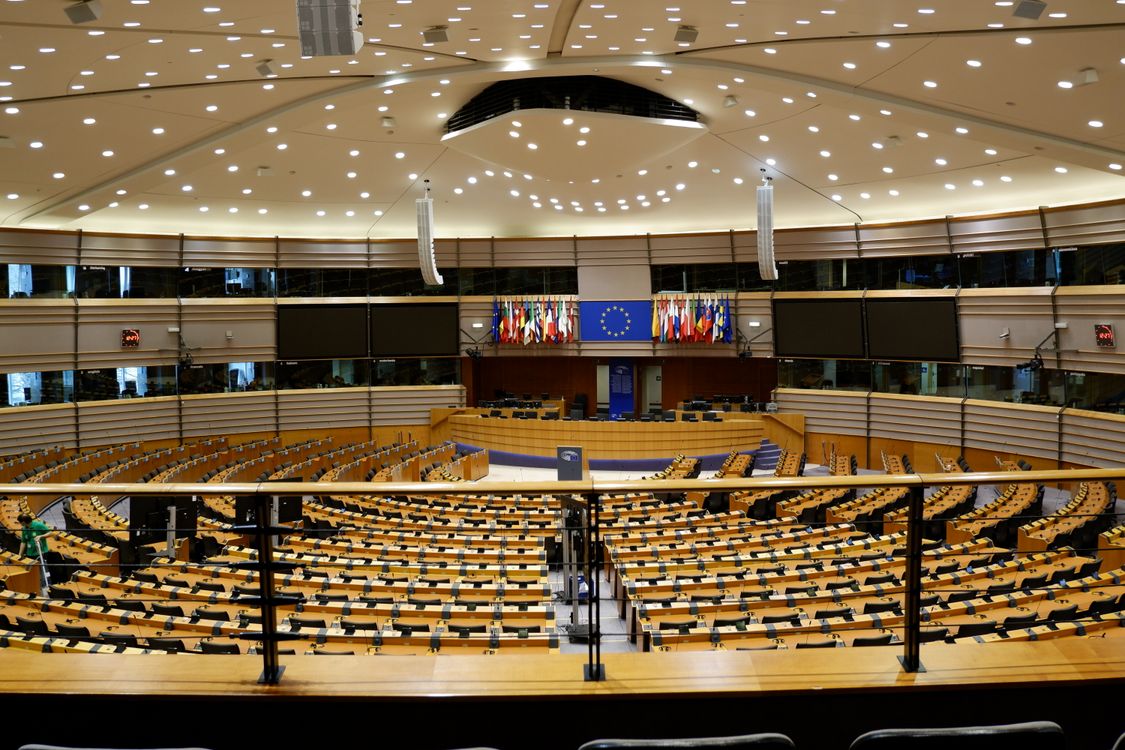
Os requisitos da interceção legal em França envolvem múltiplos organismos reguladores e quadros jurídicos complexos. A França mantém um dos quadros de interceção legal mais sofisticados e rigorosamente regulamentados da Europa. A abordagem francesa caracteriza-se por uma forte estrutura institucional, múltiplos instrumentos legais sobrepostos e uma clara delimitação de funções entre os serviços de informações, o poder judicial e as autoridades reguladoras. Para os operadores de telecomunicações - em particular os novos operadores estrangeiros, MVNOs e fornecedores de serviços OTT - compreender o panorama da LI francesa requer a navegação não apenas por uma peça legislativa, mas por um sistema interligado de leis, decretos e mandatos institucionais.
The principal legal instruments are the Code de Procédure Pénale (CPP) for judicial interception, Book VIII of the Code de la Sécurité Intérieure (CSI) for security interceptions, and the Code des Postes et des Communications Électroniques (CPCE) for operators’ obligations. The Loi pour la Confiance dans l’Économie Numérique (LCEN) extends some of these duties to hosting providers. The institutional landscape includes the Groupement interministériel de contrôle (GIC), the Commissariat aux communications électroniques de défense (CCED), the Agence Nationale de la Sécurité des Systèmes d’Information (ANSSI), the Direction Générale de la Sécurité Intérieure (DGSI), and the Commission Nationale de Contrôle des Techniques de Renseignement (CNCTR). Each plays a distinct role, and operators must understand how these pieces fit together to build a compliant LI operation.
Interceção legal em França: O panorama regulamentar
The LCEN, adopted in 2004, establishes the general framework for digital services and electronic commerce in France. While its primary focus is broader than lawful interception, several provisions are directly relevant to operators. The LCEN (Law 2004-575) matters mainly because it brings hosting providers within the scope of the same cooperation duties (CPCE D. 98-7 III; CSI L. 871-4). Operators’ retention duties are in article L. 34-1 CPCE.
The CPCE is the more directly relevant instrument for telecommunications operators. It sets out the public-order and operating rules for providers of electronic communications services, including the obligation to cooperate with lawful interception requests. Article L. 33-1 CPCE subjects operators to public-order and security requirements, and article D. 98-7 III spells them out: operators must put in place the means to answer judicial (CPP) and intelligence (CSI Book VIII) requests, for which the State pays a fair remuneration (D. 98-7 IV). This obligation applies to every operator of a public network or publicly available electronic communications service, MVNOs included. France also requires the interception systems to be installed and operated on French territory, by qualified staff designated by the operator. Running LI from abroad is not allowed without a ministerial derogation (CPCE D. 98-7).
The CPP governs judicial interceptions — those ordered by a judge in the context of criminal investigations. Under Articles 100 through 100-7 of the CPP, a juge d’instruction (investigating judge) may order the interception of telecommunications when the offence carries a sentence of three years’ imprisonment or more (art. 100 CPP). Each order specifies the target and the scope of the interception, lasts at most four months and can be renewed up to a total of one year, or two years for organised crime (art. 100-2). In organised-crime inquiries the liberty and custody judge (JLD) can also authorise interception at the prosecutor’s request (art. 706-95). Operators must execute these orders promptly and deliver the intercepted communications to the designated authorities.
Para além das intercepções judiciais, a França tem um regime separado para as intercepções administrativas (intercepções de segurança), que são realizadas pelos serviços de informações para fins de segurança nacional. Estas intercepções são regidas pelo Code de la Sécurité Intérieure e estão sujeitas ao controlo do CNCTR. O regime de interceção administrativa foi significativamente reformado pela Loi relative au renseignement de 2015, que estabeleceu um quadro jurídico mais estruturado e introduziu o CNCTR como um organismo de controlo independente.
O papel da ANSSI
ANSSI — the French national cybersecurity agency — plays a direct role in lawful interception: its Director General issues the ‘R226’ authorisations that every manufacturer, seller and operator of interception equipment in France needs (Code pénal R. 226-1 to R. 226-10). Data produced by the LI systems must be encrypted with a state-validated means whenever it has to transit electronically outside French territory (CPCE D. 98-7 III). ANSSI is additionally responsible for the security of information systems, including those used by government agencies and critical infrastructure operators, and establishes security standards for the protection of sensitive communications infrastructure.
Operators that handle lawful interception data are expected to maintain security standards that align with ANSSI’s guidelines for the protection of sensitive systems. Beyond the R226 authorisations, ANSSI’s standards and recommendations inform the security expectations that apply to interception infrastructure. Operators should be familiar with ANSSI’s publications on information system security and ensure that their LI platforms, communications channels, and data storage systems meet the expected security levels.
A ANSSI também desempenha um papel na certificação de produtos criptográficos e soluções de segurança utilizados em aplicações governamentais sensíveis. Os operadores que utilizam tecnologias de encriptação ou de comunicações seguras nos seus sistemas de LI devem considerar se as soluções certificadas pela ANSSI são necessárias ou recomendadas para o seu caso de utilização específico.
O papel da DGSI e dos serviços de informações
A DGSI é a principal agência de informações internas de França, responsável pelo combate ao terrorismo, à espionagem e pela proteção da segurança nacional. A DGSI é um dos principais utilizadores de dados administrativos capacidades de interceção, but operators do not deal with it directly for interceptions: security interceptions are executed through the Groupement interministériel de contrôle (GIC), a service of the Prime Minister that centralises them for all intelligence services. Operators’ LI staff may need a national-defence security clearance (CSI R. 872-1).
Administrative interceptions requested by the intelligence services follow a specific procedure. The competent minister (Interior, Defence, Justice, Economy/Budget or Customs) submits a written request. The Prime Minister authorises it after an opinion from the CNCTR; if the CNCTR objects, the Conseil d’État must rule before the measure is executed, except in urgent cases. Once authorised, the operator implements the interception on the Prime Minister’s order, through its own qualified agents, and delivers to the GIC (CSI L. 871-6, R. 823-1). The technical delivery infrastructure for administrative interceptions is operated by the GIC on behalf of all intelligence services and differs from the judicial channel, so operators must support both channels.
O papel da CNCTR consiste em assegurar um controlo independente das actividades de interceção administrativa. A comissão analisa os pedidos de interceção antes de serem autorizados, controla a execução das intercepções e pode remeter os casos para o Conseil d'État se considerar que uma interceção foi realizada ilegalmente. Para os operadores, a existência da CNCTR dá-lhes uma certa garantia de que os pedidos de interceção foram objeto de um exame independente, mas não os isenta da obrigação de cumprirem as ordens válidas.
A Infraestrutura Técnica: O PNIJ
France operates a centralised technical platform for lawful interception known as the Plateforme Nationale des Interceptions Judiciaires (PNIJ). The PNIJ is managed by the Agence Nationale des Techniques d’Enquêtes Numériques Judiciaires (ANTENJ) under the authority of the Ministry of Justice and handles the technical processing of judicial interception orders. Judicial requisitions (interceptions, real-time geolocation and many data requests) are sent through the PNIJ, which also receives and stores the results for the magistrates and investigators (art. 230-45 CPP). The CCED, a service of the ministry for electronic communications, oversees how operators meet these defence and public-security obligations, including lawful interception, and validates their LI investment choices on the minister’s behalf (CPCE D. 98-7 IV).
The PNIJ was deployed in the mid-2010s and represents France’s effort to centralise and modernise its judicial interception infrastructure. The platform handles the end-to-end workflow for judicial interceptions, from the receipt of judicial requisitions to the delivery of intercepted data to the magistrates and investigators who use the platform. Operators interface with the PNIJ through defined technical specifications that cover the delivery of IRI and CC in formats aligned with ETSI standards but adapted to the PNIJ’s specific requirements.
O PNIJ tem enfrentado desafios operacionais desde a sua implantação, incluindo problemas técnicos, limitações de capacidade e críticas de algumas partes interessadas do sector judicial e da aplicação da lei. No entanto, continua a ser a plataforma obrigatória para as intercepções judiciais, pelo que os operadores devem manter a sua conetividade e a conformidade com os seus requisitos técnicos. Os operadores que entram no mercado francês devem colaborar com o PNIJ logo no início do seu processo de planeamento, uma vez que os procedimentos de integração e de teste podem ser demorados.
For administrative interceptions, the technical delivery infrastructure is separate from the PNIJ and is operated by the GIC. Operators must support both delivery channels, which may require different technical interfaces, security protocols, and operational procedures. The dual-channel model adds complexity to the operator’s LI infrastructure but is a fundamental feature of the French system.
Requisitos de conservação de dados
A França mantém retenção de dados obligations under article L. 34-1 CPCE. Operators keep identity data for five years after the contract ends, and account, payment and IP-source data for one year. Traffic and location data may be retained generally for one year only while a Prime Ministerial injunction, based on a serious threat to national security, is in force. Beyond that, authorities can order ‘quick freeze’ preservation. The Conseil d’État has issued rulings refining the scope of these obligations in light of CJEU jurisprudence.
Os operadores devem implementar os seus sistemas de conservação de dados em conformidade com o atual quadro jurídico e estar preparados para responder aos pedidos de acesso das autoridades judiciais e administrativas. A interação entre a conservação de dados e a interceção em tempo real exige que os operadores mantenham ambas as capacidades e assegurem que os seus sistemas possam tratar eficazmente ambos os tipos de pedidos.
Considerações específicas sobre MVNO
The French MVNO market is one of the most developed in Europe, with numerous virtual operators serving significant subscriber bases. MVNOs bear the same lawful interception obligations as MNOs; the obligation applies to every operator of a public network or publicly available electronic communications service, and there is no reduced obligation for virtual operators. This means that MVNOs must either deploy their own LI infrastructure or establish comprehensive arrangements with their host MNOs to ensure compliance.
A relação entre o MVNO e o PNIJ é uma consideração crítica. Os MVNO devem garantir que podem entregar as comunicações interceptadas ao PNIJ no formato exigido, quer diretamente, quer através do seu operador móvel anfitrião. O modelo técnico depende da arquitetura do MVNO e dos termos do seu acordo grossista. Os MVNO completos, com os seus próprios elementos de rede de base, podem ter um controlo mais direto, enquanto os MVNO ligeiros podem ter de depender mais das capacidades de interceção do seu operador móvel anfitrião.
A aplicação da lei francesa espera que os operadores respondam às ordens de interceção dentro de prazos definidos e os atrasos causados pelo processo de coordenação MVNO-MNO não são desculpas aceitáveis para o não cumprimento. Os MVNO devem garantir que os seus processos de interceção são suficientemente automatizados e que os seus acordos com os MNO de acolhimento incluem compromissos vinculativos de tempo de resposta.
Recomendações práticas
Operadores que se preparam para Conformidade com a LI in France should begin by reviewing the CPCE, CPP, and the relevant provisions of the Code de la Sécurité Intérieure. Engage French legal counsel with expertise in telecommunications and national security law, as the interaction between judicial and administrative interception regimes requires specialist knowledge. Initiate contact with the CCED, which oversees operators’ lawful interception obligations and validates their LI investment choices on the minister’s behalf.
Invest in LI infrastructure that supports both the PNIJ and administrative interception delivery channels. Ensure that your systems meet the security standards expected by ANSSI and the intelligence services, that your interception equipment is covered by the required R226 authorisations, and that the LI systems are installed and operated on French territory as required by CPCE D. 98-7. If you are an MVNO, review your host MNO agreement and ensure that LI obligations are explicitly and comprehensively addressed. Finally, develop and document internal processes for handling both judicial and administrative interception orders, including confidentiality controls and audit mechanisms.
Conclusão
France’s lawful interception landscape is complex, multi-layered, and demanding. The combination of the CPP, the CSI and the CPCE as legal foundations, the institutional roles of the GIC, the CCED, ANSSI and the CNCTR, and the technical infrastructure of the PNIJ creates a compliance environment that requires thorough preparation and ongoing engagement. For operators entering the French market, the key to success is early and systematic engagement with the regulatory and technical stakeholders, combined with investment in robust, flexible LI infrastructure that can support both judicial and administrative interception requirements. The French market rewards operators that take compliance seriously and penalises those that treat it as an afterthought: refusing to cooperate with an intelligence request is punishable by two years’ imprisonment and a EUR 150,000 fine (CSI L. 881-2).
Lawful interception France obligations extend beyond technical compliance to include operational procedures and staff vetting: only qualified agents designated by the operator, with a clean criminal record and, where required, a national-defence security clearance, may operate the LI systems (CPCE D. 98-7 III; CSI R. 872-1). Operators must ensure their lawful interception France programme addresses the full scope of regulatory expectations.
Artigos relacionados
Para mais informações sobre temas relacionados, consulte estes artigos:
- LI Requirements in the Netherlands: Telecommunicatiewet Chapter 13, ETSI-IP.nl and What MVNOs Must Know
- Requisitos de interceção legal da LGTEL em Espanha
- Auslandskopfüberwachung (AKÜ): Obrigação de interceção legal da Alemanha para as transportadoras internacionais
Recursos externos
Os seguintes recursos externos fornecem contexto adicional e documentação oficial: