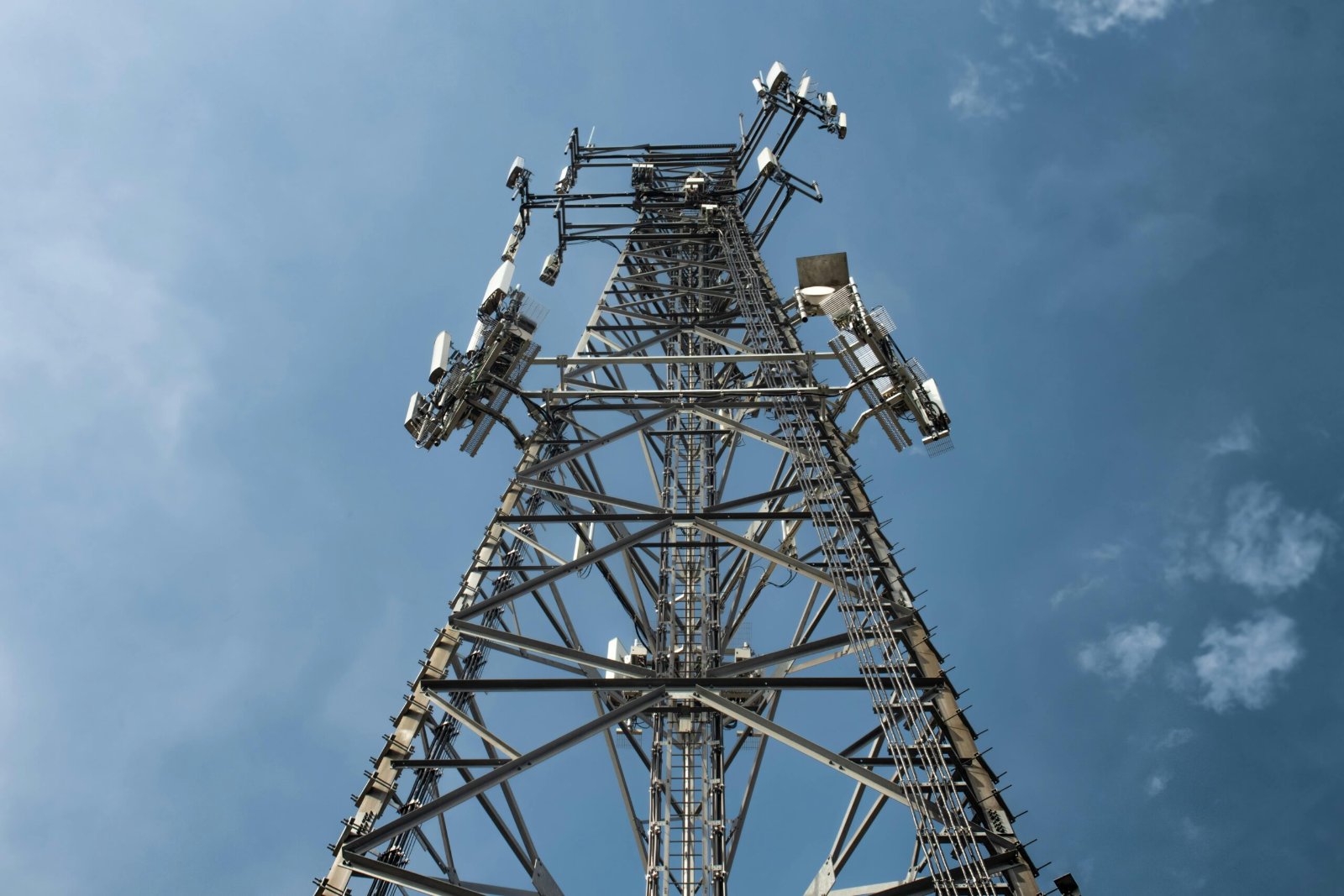


L’intercettazione legale delle eSIM presenta sfide tecniche uniche rispetto all’intercettazione tradizionale basata su SIM. Il passaggio dalle schede SIM fisiche alla tecnologia SIM integrata (eSIM) sta ridefinendo il panorama delle telecomunicazioni mobili. Grazie all’architettura Remote SIM Provisioning (RSP) della GSMA, l’eSIM consente agli abbonati di cambiare operatore, attivare profili e gestire più abbonamenti senza dover sostituire fisicamente la scheda SIM. Per i consumatori, ciò si traduce in maggiore flessibilità e comodità. Per gli operatori — e in particolare per i responsabili di conformità alle norme in materia di intercettazioni legittime — L’eSIM introduce nuove complessità che devono essere comprese e affrontate.
Il presente articolo analizza in che modo l'architettura RSP influisca sulle intercettazioni legali, individua le sfide specifiche che l'eSIM pone in termini di identificazione degli obiettivi e gestione delle intercettazioni e fornisce indicazioni pratiche agli operatori che intendono garantire la conformità normativa in un ambiente che supporta l'eSIM.
Come funziona l'intercettazione legale tramite eSIM
The GSMA RSP architecture defines the ecosystem for managing eSIM profiles. The key components include the Subscription Manager — Data Preparation (SM-DP+), which prepares and securely delivers operator profiles to eSIM devices; the Subscription Manager — Discovery Server (SM-DS), which facilitates the discovery of available profiles; the eUICC (embedded Universal Integrated Circuit Card), which is the secure element within the device that hosts one or more operator profiles; and the Local Profile Assistant (LPA), which is the software on the device that manages profile download, installation, and switching. For IoT devices, GSMA SGP.31/SGP.32 replaces the user-driven LPA with a remote eSIM IoT Manager (eIM).
Under the RSP model, an operator’s profile — containing the IMSI, authentication credentials, network access configuration, and other parameters — is downloaded and installed onto the eUICC remotely. Multiple profiles can coexist on a single eUICC. Older eUICCs allow only one enabled profile at a time; since GSMA SGP.22 v3, devices supporting Multiple Enabled Profiles (MEP) can run two at once. Subscribers can switch between profiles — and effectively between operators — through a software operation on the device, without any physical intervention.
This dynamic, software-driven provisioning model is fundamentally different from the traditional physical SIM model, where the IMSI is personalised onto a card that has to be physically delivered. The implications for lawful interception are significant.
Sfide nell’identificazione dei bersagli
I provvedimenti di intercettazione legale identificano solitamente l'oggetto dell'intercettazione tramite uno o più identificatori: MSISDN (numero di telefono), IMSI (identità dell'abbonato), IMEI (identità del dispositivo) o indirizzo IP. Il modello eSIM complica ciascuno di questi metodi di identificazione in modi diversi.
MSISDN-based targeting is affected by the ease with which subscribers can change operators — and by extension change their MSISDN — through a simple profile switch. A target who suspects surveillance may switch to a different profile and MSISDN without a physical SIM changing hands. Similar switches have always been possible with dual-SIM phones. Each new profile still means a new subscription (in Germany, prepaid profiles require an identity check before activation, § 172(2) TKG), and its download is logged against the device’s EID. The operator that was performing the interception may lose visibility of the target entirely if the target activates a profile from a different operator.
Anche il tracciamento basato sull'IMSI presenta sfide simili. Ogni profilo operatore presente sull'eUICC ha un proprio IMSI. Quando l'utente bersaglio cambia profilo, entra in attività un IMSI diverso e quello originale non è più visibile sulla rete. L'operatore che effettua l'intercettazione basandosi sull'IMSI originale vedrà l'utente bersaglio apparentemente scomparire dalla rete.
IMEI-based targeting is more stable in the eSIM context, as the IMEI is associated with the device rather than the SIM profile. Note that dual-SIM and multi-profile devices carry a separate IMEI for each simultaneously active subscription, and that the network usually learns the IMEI only at registration. However, IMEI-based interception has its own limitations — it may capture communications from other users who share the device, and it does not help if the target uses multiple devices.
Il targeting basato sull'indirizzo IP è intrinsecamente dinamico e non è specificamente influenzato dall'eSIM, ma la complessità complessiva del targeting in un ambiente eSIM potrebbe indurre le forze dell'ordine a fare maggiore affidamento sull'identificazione basata sull'IP, con le relative difficoltà legate all'assegnazione dinamica e alla traduzione degli indirizzi di rete.
Cambio di profilo e continuità dell'intercettazione
One of the most significant challenges that eSIM creates for lawful interception is the potential for interception discontinuity during profile switches. When a target switches from one operator profile to another on the same device, the interception that was active on the first operator’s network must be coordinated with a new interception on the second operator’s network. In practice, law enforcement must identify the new operator, obtain a new order and serve it there, which may take hours or days, during which the target’s communications go unmonitored.
The speed and ease of profile switching in the eSIM model — which can be accomplished in seconds on many devices — contrasts sharply with the time required to establish a new interception on a different operator’s network. This temporal gap is an investigative challenge for law enforcement rather than a compliance gap for the original operator, whose obligation ends at its own subscription and the identifiers named in the order.
Addressing this challenge requires enhanced coordination mechanisms between operators and law enforcement, potentially including automated notifications when a target’s profile is deactivated and standardised procedures for rapidly establishing interceptions on the target’s new operator. Standardised solutions are not yet widely available.
Scenari multiprofilo e multidispositivo
La tecnologia eSIM rende possibili scenari difficili da gestire con i tradizionali metodi di intercettazione. Un singolo dispositivo può ospitare più profili di operatori, potenzialmente provenienti da paesi diversi. Un singolo abbonato può disporre di profili eSIM su più dispositivi: uno smartphone, un tablet, uno smartwatch e un laptop. Ogni combinazione di profilo e dispositivo crea un potenziale canale di comunicazione che potrebbe dover essere intercettato.
For operators, this means that the scope of an interception may extend beyond the traditional single-subscriber, single-device model. Within its own customer base, the operator should be able to tell law enforcement which other subscriptions or eSIM profiles the same customer holds, so that the order can be extended. It can intercept only the identifiers the order names.
Per le forze dell’ordine, il modello multiprofilato implica che un unico mandato di intercettazione potrebbe non essere sufficiente. Se l’individuo oggetto dell’indagine dispone di profili sulle reti di più operatori, potrebbe essere necessario emettere mandati distinti per ciascun operatore. Il coordinamento di questi mandati multipli — volto a garantire una copertura completa e senza lacune — aggiunge complessità al processo investigativo.
Implicazioni per il sistema LI
To maintain effective lawful interception in an eSIM environment, operators must ensure that their LI systems address several specific requirements. First, operators should understand what the network actually sees. Switching profiles happens locally on the device. The operator’s network sees it the way it sees a phone being switched off: the target’s subscription deregisters, and the existing interception reports this as IRI. The SM-DP+ is not a real-time LI source. Its value is in the records it keeps, such as which EID a profile was downloaded to, which can support disclosure requests. The LI system should not push target data to the SM-DP+, which is often operated by a third party.
Second, the LI system must support the correlation of multiple identifiers associated with the same subscriber. A target may be known by different MSISDNs, IMSIs, and IP addresses depending on which profile is active. The LI system must maintain a mapping between these identifiers and the target’s interception order, ensuring that every identifier named in the order (MSISDN, IMSI/SUPI, IMEI/PEI) is intercepted, and that law enforcement can quickly learn which further identifiers the same customer uses.
Third, the LI system should deliver the standard registration and deregistration events promptly, since a profile switch shows up on the network as the target’s subscription deregistering. This information can be valuable to law enforcement in understanding the target’s behavior and in deciding on follow-up orders.
In quarto luogo, l’operatore gestione dei mandati system must be capable of handling the additional complexity introduced by eSIM. This includes the ability to modify interception parameters when the order is amended, to report promptly when a target’s subscription goes inactive, so that law enforcement can decide on follow-up orders, and to keep a complete audit trail of every order amendment, identifier change and task activation or deactivation.
Sviluppi in materia di normative e standard
LI standards address the issue indirectly: identifiers are always tied to the subscription or device, not to the SIM form factor. 3GPP’s 5G LI architecture (TS 33.127/33.128) is SIM-agnostic: it intercepts by SUPI, PEI and GPSI, whether the credentials sit on a physical SIM or an eSIM profile.
National LI rules generally do not treat eSIM separately. In Germany, the TKÜV and TR TKÜV are technology-neutral: interception is tied to identifiers such as MSISDN, IMSI/SUPI and IMEI/PEI, so it applies to eSIM subscriptions exactly as to physical SIMs.
Conclusione
eSIM technology and the RSP architecture introduce significant new challenges for lawful interception, primarily related to target identification, interception continuity, and multi-profile scenarios. These challenges are not insurmountable, but they require operators to report registration events promptly, keep reliable records linking EID, ICCID and IMSI, and answer subscriber-data requests quickly. eSIM does not change an operator’s LI obligations; it changes how quickly law enforcement needs to learn about a target’s other subscriptions.
Misure pratiche per gli operatori
Operators should begin by assessing their current eSIM deployment and its impact on their existing LI capabilities. This assessment should identify any gaps in target identification, interception continuity, or multi-profile handling. Based on the assessment, operators should develop a roadmap for enhancing their LI systems to address eSIM-specific challenges, prioritising the highest-risk gaps first. Prompt delivery of registration and deregistration events, and the ability to answer subscriber-data requests from the operator’s own EID, ICCID and IMSI records, are the foundation for supporting law enforcement in an eSIM environment. Operators should also engage with their national regulatory authority to understand any specific guidance or requirements related to eSIM and LI compliance, and should participate in industry forums and standards development activities to help shape the emerging solutions.
Con l'accelerarsi della diffusione delle eSIM, le sfide relative all'intercettazione legale delle eSIM diventeranno sempre più urgenti. Gli operatori dovrebbero affrontare in modo proattivo i requisiti relativi all'intercettazione legale delle eSIM nelle loro strategie di conformità.
Articoli correlati
Per ulteriori letture su argomenti correlati, esplorate questi articoli:
- LI per gli operatori MVNO che offrono solo eSIM: sfide specifiche e soluzioni pratiche
- MVNO vs MNO: chi è legalmente responsabile delle intercettazioni legali?
- Il network slicing nel 5G SA: come complica (e può semplificare) il targeting LI
Risorse esterne
Le seguenti risorse esterne forniscono ulteriore contesto e documentazione ufficiale: